aftonbladet
bloggar
Nyheter
Sport
Nöje
TV
Ekonomi
Väder
Ledare
Kultur
Plus
Senast uppdaterade bloggar
Per Bjurman
19 april, 2024
0
NHL-bloggen
Sista Tipsextra för säsongen
Hej och hallå! Sorry för att jag missade raden igår, det var lite mycket att stå i, men Chall räddade ju kvällen, som den ängel hon är. Här kommer i alla fall en sista rad för säsongen, ty i playoff tippar aldrig jag enskilda matcher, då tror för många att jag vill att det ska…
Calle Jonsson
18 april, 2024
0
Silly Season
Uppgifter: Alexander Isak en av Arsenals huvudkandidater
Under onsdagen åkte Arsenal ur Champions League-kvartsfinalen mot Bayern München. Inför nästa säsong verkar klubben vilja förstärka med ett nyförvärv på anfallspositionen. Arsenal som sedan tidigare är kraftigt förknippade med en eventuell övergång för Viktor Gyökeres. Nu kommer uppgifter från The Guardian att Alexander Isak är väldigt högt upp på London-klubbens priolista. Efter Gabriel Jesus misslyckade…
Anna Andersson
18 april, 2024
0
F1-bloggen
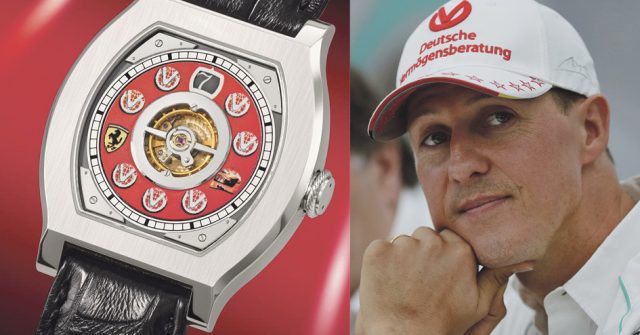
Michael Schumacher säljer unika klockor på auktion
En samling exklusiva klockor som har tillhört den tidigare F1-mästaren Michael Schumacher ska säljas. Auktionen väntas ge familjen närmare fyra miljoner dollar. Letar du efter en ny klocka? Nu har du chansen att bli ägare av en av de klockor som Michael Schumacher använde under sin karriär i Formel 1 - men det kostar.... Hans…
Agneta Elmegård, Aftonbladet
16 april, 2024
0
Skönhetsredaktörerna
Rituals öppnar outlet i Sverige
Den 18 april 2024 slår Rituals upp portarna till sin första outletbutik i Sverige och det i Kungsbacka på västkusten. Det är den B-Corpcertifierade kedjans första outletetablering i Skandinavien och den sker i Hede Fashion Outlet. ”Vi har sett fram emot att expandera vårt outletkoncept länge efter stora framgångar i Europa. Hede Fashion Outlet är…
Tobbe Ek
11 april, 2024
0
Schlagerbloggen
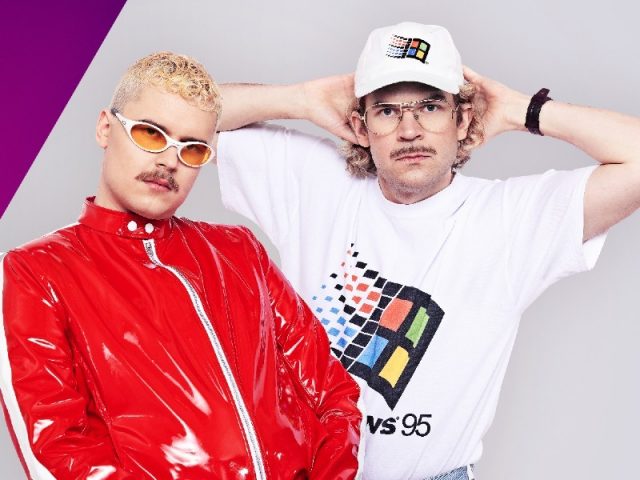
Bilden visar: Så ska Finland undvika att diskas i Eurovision
Den finska artisten Windows95man stötte på patrull direkt när det stod klart att han vunnit den finska uttagningen till Eurovision, UMK. Hans artistnamn och Windows95-loggan på hans kläder är varumärken, om än sedan länge nedlagda sådana. Men det faktum att Microsofts eget Twitter-konto för Windows hyllade honom gjorde så klart inte saken lättare för EBU.…
Ladda fler
Hetaste inläggen idag
Dagens mest lästa bloggar
Hetaste inläggen idag
Ingenting att visa
visa fler
Dagens mest lästa bloggar
Ingenting att visa
visa fler
Hämta rabattkoder här
Uppdatera dina inställningar för kakor